Limak Hotels – Brand Blog
Northern Cyprus Holiday Guide for Luxury Travellers
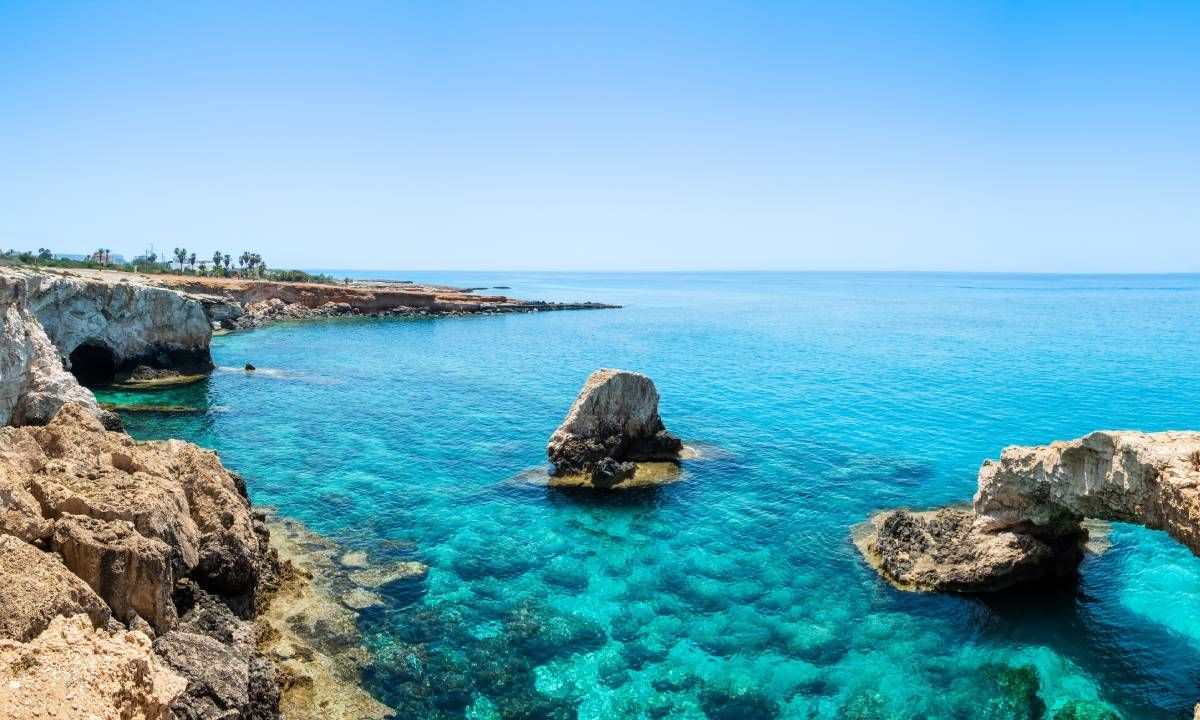
Northern Cyprus offers a rare combination — unspoiled Mediterranean coastline, Crusader castles, and Ottoman architecture, largely free from mass tourism. For the discerning traveller, it presents genuine historical depth and natural beauty that remains, by comparison to the wider Mediterranean, quietly undiscovered. Not a destination that performs for its visitors. A place that simply exists — and rewards those patient enough to look.
The Mediterranean has been thoroughly mapped. Most of its coastlines are known quantities — their pleasures real but shared with millions. Northern Cyprus is the exception. Separated from the south by a UN buffer zone and connected to the world through Turkey, it has developed outside the usual tourism infrastructure. The result: a destination that retains something most of the region has already spent.
That something is scale. The human scale of its towns. The unhurried scale of its coastline. The unmediated scale of its history — not curated behind glass, but built into living streets. In Kyrenia, the castle is not a backdrop. It is the harbour. In Famagusta, the Gothic cathedral that became a mosque still holds its bones beneath the minarets. These are not restorations. They are continuations.
This guide is for those who travel with a considered eye — for whom Northern Cyprus holidays represent not an escape from complexity, but an encounter with a place that rewards genuine attention.
What Are the Best Historical Sites to Visit in Northern Cyprus?
History in Northern Cyprus arrives in layers — Lusignan, Venetian, Ottoman — and rarely announces itself quietly.
Kyrenia Castle, built by the Byzantines and expanded by the Crusaders, occupies a promontory above the horseshoe harbour. Within its walls, the Shipwreck Museum holds the remains of a 4th-century BC merchant vessel — the oldest recovered ship in the world, its amphorae still positioned as they were when the ship went down. Standing before a vessel that crossed this sea two thousand years ago produces a specific stillness that few exhibits can match.
Bellapais Abbey, set into the hillside above Kyrenia, is a Gothic ruin built by the Augustinian order in the 13th century. Its refectory and cloisters are sufficiently intact to understand the scale of what was built here. The view across the coast is one of the finest in the eastern Mediterranean. Lawrence Durrell lived in the village below during the 1950s and wrote about it in Bitter Lemons of Cyprus — still the most honest account of what this landscape does to those who stay long enough.
Famagusta's Venetian walls enclose an old city of unusual density — the Cathedral of Saint Nicholas (now the Lala Mustafa Pasha Mosque), Venetian palaces in various states of beautiful ruin, and the ghost quarter of Varosha, only recently partially reopened. The Venetian ramparts, among the best-preserved in the world, can be walked in sections, delivering views across the old city and out to sea.
St. Hilarion Castle, perched at 732 metres along the Kyrenia range, rewards those willing to climb. A three-tiered Crusader fortification with towers, royal apartments, and a cistern still holding water — said to have inspired Disney's fairy-tale castle. The claim is unprovable. Not implausible.
What Does the Northern Cyprus Coastline Offer?
Karpaz Peninsula, a national park extending northeast into the sea, remains almost entirely undeveloped. Its beaches — Golden Beach in particular — are among the finest in the Mediterranean: wide, pale, washed by a current that keeps the water clean. Wild donkeys roam freely. Sea turtles nest from May to October. There are no beach clubs, no sun-lounger concessions, no amplified music. What the peninsula offers is a coastline that has not been improved — because improvement here would be subtraction.
Kyrenia Harbour, enclosed by castle walls and backed by restored stone buildings, is best experienced early morning, when fishing boats return and the stone reflects a cooler light — or late at night, when tourists thin and the restaurants return to their natural pace. The fish — sea bream, red mullet, octopus — is pulled from the water you can see from your table.
How Does Northern Cyprus Compare to Other Mediterranean Destinations?
The Northern Cyprus coastline is comparable in quality to the Aegean coast of Turkey or the Croatian islands — clear water, limestone geography, settled summer weather — with a fraction of the visitor numbers. That absence of mass tourism is not a deficiency. It is the condition that makes the destination what it is.
What Northern Cyprus has not built is as significant as what it has. No waterfront megahotels blocking the harbour view. No queuing systems at Bellapais. No branded beach experiences on Golden Beach. In place of managed tourism infrastructure: the actual place. For the traveller who has already visited the region's more developed alternatives, this distinction is not minor.
Northern Cyprus tourism offers a return that more developed destinations can no longer match. Not because it offers less — but because it has not traded what it has for what it was told it needed.
What Should Luxury Travellers Eat and Experience?
Northern Cyprus cuisine draws from Ottoman, Levantine, and Cypriot traditions. Halloumi — firmer and saltier than exported versions — is served grilled, fried, or fresh with watermelon. Şeftali kebabı, caul fat-wrapped sausage grilled over charcoal, is the region's most distinctive meat preparation. Molohiya, a slow-cooked green herb stew over rice, tells you how long the Ottoman influence has been here.
The village restaurants of the Kyrenia hills — family-run, unhurried, unchanged for decades — are not a secondary experience beside the castles and beaches. For many who make the journey, they are the memory that endures.
Local wines from small Kyrenia hills producers, working with indigenous varieties on limestone terrain, reward curiosity. The Maratheftiko grape produces structured reds with genuine depth. What they offer is not a compromise — it is a specific thing, grown in a specific place.
Explore Northern Cyprus with Limak Hotels
The quality of what you find in Northern Cyprus depends, in part, on where you begin and end each day.
Limak Cyprus Deluxe Hotel, positioned on the northern coast, offers direct beach access, a spa, and a dining programme rooted in regional culinary tradition. Kyrenia's harbour, the Karpaz Peninsula, and the Crusader castles are all within easy reach. The hotel's design acknowledges the landscape rather than competing with it. The staff's knowledge of the surrounding region — its restaurants, its sites, its lesser-known coastal approaches — functions as a practical resource that independent research rarely matches.
For those comparing Northern Cyprus hotels at the level this destination deserves, Limak Hotels is the natural choice. Not an accessory to the journey. Its foundation.